Travel
Community Heritage Preservation Overview: Essential Information, Traditions, and Cultural Insights
Learn about community heritage preservation with this guide covering traditions, cultural identity, and preservation insights.
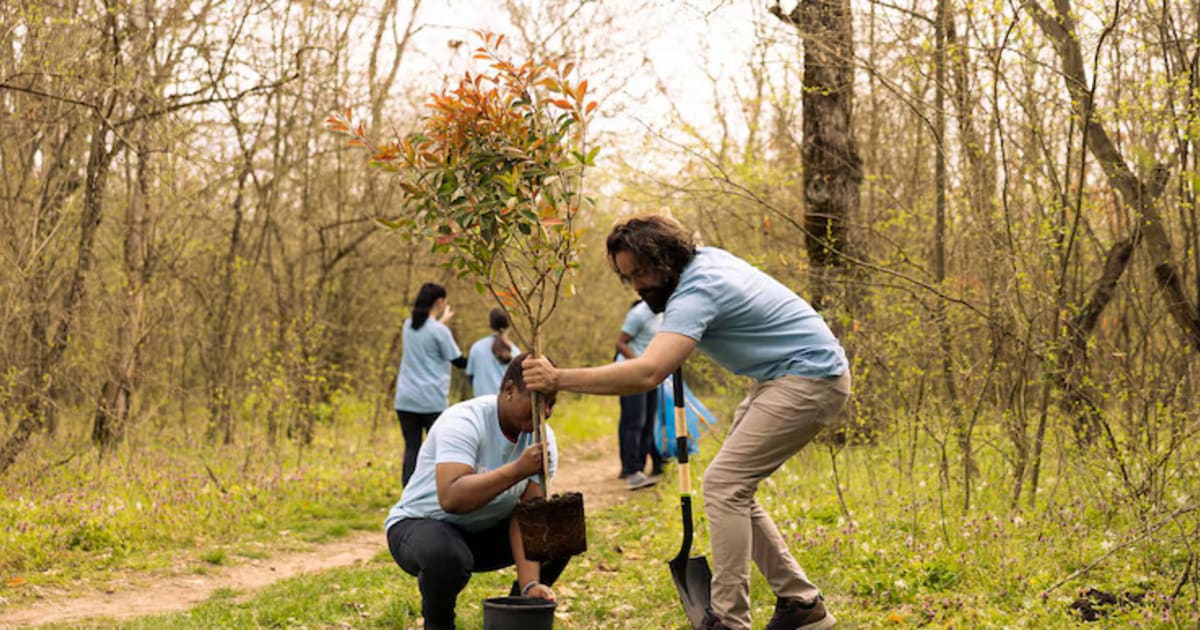
The global cultural sector continues to place growing emphasis on heritage preservation as modernization, urban development, and digital transformation reshape traditional ways of life. According to global cultural research, many communities are becoming more aware of the need to protect local traditions and historical identity while adapting to changing social environments. Community heritage preservation naturally aligns with these priorities because it supports cultural continuity while encouraging education, tourism, creativity, and collective memory. As societies continue evolving internationally, heritage preservation remains highly relevant for maintaining cultural diversity and strengthening social connection.
The influence of community heritage preservation extends beyond historical interest alone. Cultural traditions and historical landmarks often contribute to social identity, community pride, tourism activity, educational opportunities, and local economic development. Without preservation efforts, many languages, crafts, rituals, and architectural styles may gradually disappear or lose their cultural significance over time. Heritage preservation helps address these concerns by encouraging documentation, restoration, public participation, and long-term cultural awareness. Understanding community heritage preservation helps educators, travelers, policymakers, students, and local residents make informed decisions about cultural participation, sustainability, and historical responsibility. This naturally leads into understanding who benefits most from heritage preservation efforts and the practical challenges they help address.
Who It Affects & Problems It Solves
Community heritage preservation affects a broad global audience, including local residents, educators, historians, artists, cultural organizations, travelers, students, and younger generations seeking stronger connections to cultural identity. Governments, museums, and community groups also closely support preservation initiatives because they contribute to education, tourism, and long-term social continuity. Their adaptable structure allows preservation activities to support both small local traditions and broader cultural heritage projects.
Without active preservation efforts, many communities struggle to maintain cultural practices and historical knowledge across generations. Rapid urbanization, technological change, and globalization may reduce opportunities for traditional storytelling, craftsmanship, or communal rituals. Community heritage preservation helps solve these concerns by creating systems for documentation, restoration, cultural education, and public participation. These efforts support the continued visibility of traditions while encouraging respect for historical identity within changing societies.
A common issue observed internationally involves younger generations becoming disconnected from local customs, oral history, and traditional cultural practices because of limited exposure or educational access. Historical landmarks may also deteriorate without proper maintenance or public awareness. Heritage preservation helps address these concerns by encouraging community engagement, educational programs, and cultural celebrations that strengthen intergenerational learning. These activities also support cultural pride and social cohesion within diverse communities. As global societies continue evolving rapidly, recent developments in heritage preservation have become increasingly important to understand.
Recent Updates
Over the past year, global cultural discussions have increasingly emphasized digital preservation, community storytelling, and local identity protection. Many heritage organizations now use digital archives, oral history recording projects, and interactive educational platforms to preserve cultural materials and improve public accessibility. These developments reflect growing awareness that cultural preservation must adapt to changing communication methods and technological environments.
In early 2025, cultural preservation discussions increasingly highlighted the importance of community-led initiatives and local participation. Many preservation projects internationally are shifting toward collaborative models that involve residents, artists, educators, and cultural practitioners directly in decision-making processes. This trend reflects growing recognition that sustainable heritage preservation depends on active community involvement rather than external management alone.
Another important development involves increased attention to intangible cultural heritage such as music, dance, culinary traditions, spoken language, and traditional craftsmanship. Preservation efforts globally are expanding beyond physical monuments to include living cultural practices that shape social identity and everyday community life. This broader approach has strengthened educational programs and public cultural events connected to heritage awareness.
Technology has also influenced preservation strategies during the past year. Virtual museum tours, digital heritage mapping, and online educational resources are increasingly helping people access historical knowledge and cultural experiences remotely. These technologies improve accessibility while supporting documentation and long-term cultural archiving. These evolving trends provide useful context before comparing the major approaches used in community heritage preservation.
Comparison Table
The following table compares historical landmark preservation, intangible cultural preservation, and digital heritage documentation. These parameters matter universally because they influence accessibility, cultural continuity, educational impact, and long-term sustainability.
| Parameter | Historical Landmark Preservation | Intangible Cultural Preservation | Digital Heritage Documentation |
|---|---|---|---|
| Main Focus | Protecting physical sites | Preserving traditions and practices | Recording and archiving heritage |
| Cultural Interaction | Site-based experiences | Community participation | Virtual accessibility |
| Educational Value | Historical interpretation | Skill and tradition learning | Broad information access |
| Community Engagement | Moderate to high | Strong local involvement | Digital audience interaction |
| Preservation Method | Restoration and maintenance | Teaching and participation | Digital recording systems |
| Accessibility | Physical location dependent | Community event access | Globally accessible resources |
| Long-Term Sustainability | Requires ongoing maintenance | Depends on active practice | Technology-based storage |
| Best Suited For | Architectural and historical sites | Living cultural traditions | Archival and educational use |
| Visitor Experience | Visual and spatial exploration | Interactive participation | Informational learning |
| Adaptability | Moderate flexibility | Highly adaptable traditions | Rapid technological expansion |
The table shows that historical landmark preservation is especially valuable for protecting physical heritage, while intangible preservation strengthens living traditions and social identity. Digital documentation improves accessibility and long-term cultural archiving. Understanding these distinctions also highlights why balanced preservation strategies are important for maintaining cultural continuity in modern societies.
Regulations & Practical Guidance
In most countries, heritage preservation activities generally operate under cultural protection guidelines, educational frameworks, and conservation standards intended to safeguard historical and cultural resources. Communities are commonly encouraged to document traditions responsibly, protect significant landmarks, and support respectful cultural participation. Cultural organizations globally increasingly emphasize ethical preservation practices and community collaboration during heritage projects.
Most jurisdictions also maintain general expectations regarding historical site maintenance, artifact protection, and respectful representation of cultural traditions. Preservation groups often provide guidance related to restoration methods, educational outreach, and responsible tourism practices to support sustainable heritage management. Because heritage preservation frequently involves culturally sensitive materials and historical narratives, accurate documentation and respectful interpretation are especially important for maintaining authenticity and public trust.
Another practical consideration involves balancing modernization with cultural continuity. Community leaders and preservation professionals internationally often recommend integrating traditional knowledge into contemporary educational, artistic, and tourism initiatives rather than isolating heritage practices from everyday life. Overly commercialized preservation efforts may reduce cultural authenticity or community participation. These broader considerations naturally lead into practical guidance regarding which preservation approaches may suit different situations.
Which Option Suits Your Situation?
For communities seeking to protect historical architecture and public landmarks, restoration-focused preservation programs may provide the most effective option. These initiatives often help maintain cultural visibility while supporting tourism, education, and long-term historical awareness.
Groups interested in strengthening intergenerational learning may benefit more from intangible heritage preservation activities such as storytelling workshops, craft demonstrations, music programs, and traditional celebrations. These experiences encourage direct participation and stronger community connection.
Educational institutions and researchers may prefer digital heritage documentation projects because they improve accessibility and support long-term cultural archiving. Digital platforms can help preserve oral histories, photographs, and historical records for future generations and wider educational use.
Individuals interested in cultural participation and local identity may benefit from combining historical exploration with community events, volunteer programs, and educational workshops. These experiences often create deeper understanding of how traditions continue evolving within modern society. With these practical considerations in mind, it is also useful to explore educational tools and helpful resources related to heritage preservation planning.
Tools & Resources
Several globally accessible tools and educational resources can help individuals better understand community heritage preservation and cultural conservation principles.
Digital Heritage Archive Platforms — Interactive systems that help communities document photographs, oral histories, and cultural records for long-term preservation.
Cultural Education Resources — Informational materials explaining traditional crafts, historical practices, and community storytelling methods.
Historical Mapping Applications — Digital tools designed to support documentation of historical landmarks and culturally significant locations.
Museum and Archive Learning Guides — Educational resources focused on artifact preservation, exhibition planning, and historical interpretation.
Community Event Planning Resources — Practical materials explaining how to organize cultural festivals, workshops, and heritage awareness activities.
Language Preservation Platforms — Informational systems supporting the recording and teaching of endangered or traditional languages.
Cultural Tourism Education Guides — Resources promoting respectful travel behavior and awareness of local customs during heritage-focused exploration.
These resources help connect cultural knowledge with practical preservation planning, which naturally leads into common questions people frequently ask about community heritage preservation.
Frequently Asked Questions
What is community heritage preservation?
Community heritage preservation refers to efforts aimed at protecting and maintaining cultural traditions, historical landmarks, languages, crafts, and social practices that shape a community’s identity. These activities often include restoration projects, educational programs, oral history documentation, and cultural events designed to support long-term continuity and awareness.
Who benefits from heritage preservation efforts?
Heritage preservation benefits local residents, educators, students, artists, travelers, and future generations seeking stronger connections to cultural identity and historical understanding. Communities also benefit through tourism activity, educational opportunities, and strengthened social cohesion created by shared cultural experiences and traditions.
Are heritage preservation activities guided by cultural regulations?
In most countries, preservation activities generally follow cultural protection practices and conservation standards related to historical sites, artifacts, and community traditions. Preservation organizations commonly encourage responsible documentation, respectful interpretation, and community collaboration to maintain authenticity and cultural integrity.
Does heritage preservation only focus on old buildings?
A common misconception is that heritage preservation only involves restoring historical architecture. In reality, preservation also includes protecting music, language, dance, crafts, storytelling, festivals, culinary traditions, and other forms of intangible cultural heritage that contribute to community identity and historical continuity.
What is the best way to support heritage preservation?
The most effective approach often involves active participation through educational programs, cultural events, volunteer initiatives, and respectful engagement with local traditions. Supporting community-led preservation efforts, learning traditional skills, and encouraging intergenerational cultural exchange can also strengthen long-term heritage sustainability.
Conclusion
Community heritage preservation continues to grow in importance globally because it combines cultural continuity, historical awareness, and community identity. As discussed throughout this article, preservation efforts help solve common concerns related to cultural loss, historical disconnection, and reduced intergenerational knowledge sharing. Their flexible structure allows communities to protect traditions while adapting to changing social and technological environments.
For individuals and organizations involved in preservation activities, the most important considerations include authenticity, community participation, educational accessibility, and long-term sustainability. Historical restoration, intangible cultural preservation, and digital documentation each provide valuable contributions depending on local goals and cultural priorities.
Looking ahead, global cultural trends suggest that community heritage preservation will continue evolving through digital archiving technologies, collaborative cultural initiatives, and growing public interest in protecting both historical landmarks and living traditions for future generations.