Travel
Global Luxury Brand Street Tours Explained: Discover Iconic Shopping Districts and Key Details
Explore global luxury brand street tours with this guide covering iconic shopping districts, fashion culture, and travel insights.
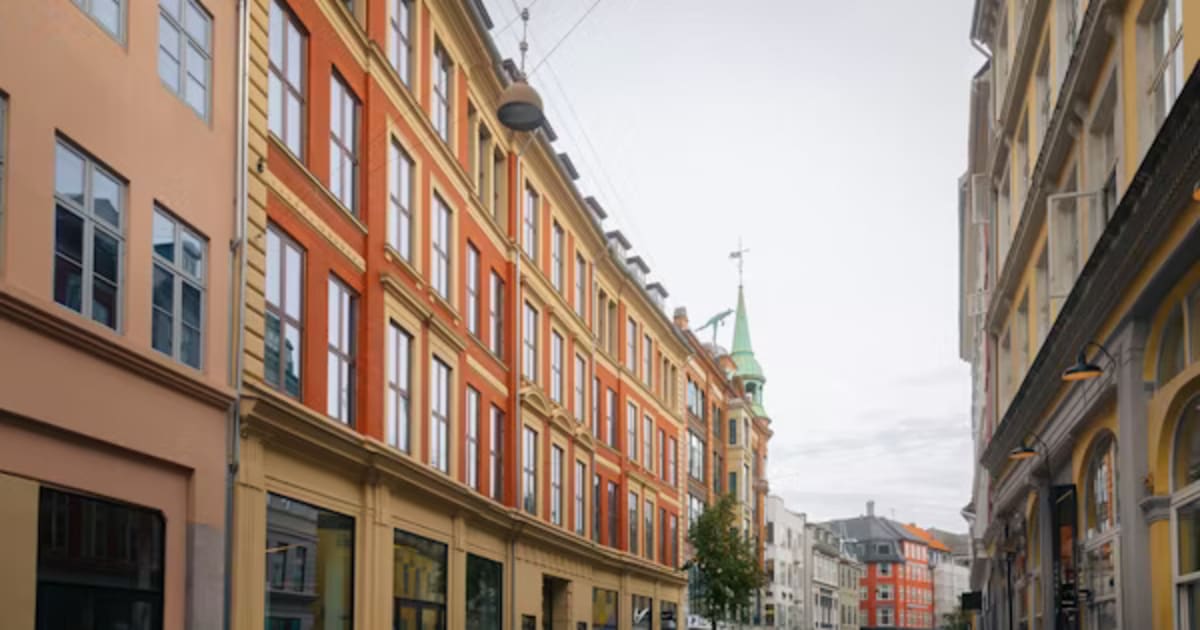
The global tourism and fashion industries continue to see growing interest in experiential travel connected to retail culture, architecture, and luxury lifestyle exploration. According to global travel research, many travelers now seek immersive urban experiences that combine cultural identity with design, fashion, and entertainment. Luxury shopping districts naturally align with these preferences because they often represent major centers of creative influence, international fashion trends, and urban development. As travel trends continue evolving internationally, retail-focused exploration has become an important part of modern city tourism and lifestyle-oriented travel experiences.
The influence of luxury brand street tours extends beyond purchasing goods alone. These districts frequently reflect broader cultural movements related to architecture, design innovation, hospitality, and urban identity. Walking through globally recognized retail streets allows visitors to observe storefront artistry, seasonal displays, fashion trends, and public space design while experiencing the atmosphere of internationally influential commercial centers. Understanding luxury brand street tours helps travelers, fashion enthusiasts, photographers, and cultural explorers make informed decisions about route planning, budgeting, crowd management, and travel expectations. This naturally leads into understanding who benefits most from luxury retail street exploration and the practical challenges it helps address.
Who It Affects & Problems It Solves
Global luxury brand street tours appeal to a broad international audience, including fashion enthusiasts, cultural travelers, photographers, architecture admirers, luxury consumers, and individuals interested in modern urban experiences. Tourism professionals, retail analysts, and fashion industry observers also closely follow luxury shopping district trends because these areas often influence global consumer behavior and visual design standards. Their structured exploration format allows visitors to experience retail environments as cultural and architectural destinations rather than simple commercial areas.
Without organized routes or cultural context, many travelers may struggle to fully appreciate the historical and artistic significance of luxury shopping streets. Retail districts often contain important architectural landmarks, flagship design concepts, and visual storytelling elements that can easily be overlooked during fast-paced travel. Luxury brand street tours help solve these concerns by connecting fashion history, urban design, and lifestyle culture into a more meaningful exploration experience.
A common issue observed internationally involves tourists focusing only on shopping transactions without engaging with the surrounding cultural atmosphere or design heritage. Rushed travel schedules may limit opportunities to observe storefront architecture, street layouts, and public artistic elements that contribute to the district’s identity. Luxury street tours help address these concerns by encouraging slower-paced exploration and visual appreciation. Their structure also supports more organized route planning and balanced travel experiences within busy urban environments. As global travel habits continue evolving, recent developments in luxury district tourism have become increasingly important to understand.
Recent Updates
Over the past year, global tourism trends have increasingly emphasized experiential urban travel and lifestyle-focused exploration. Luxury shopping districts have benefited from this shift because many travelers are seeking destinations that combine architecture, culture, dining, fashion, and entertainment within walkable city environments. Retail streets are increasingly being viewed as social and cultural spaces rather than purely commercial zones.
In early 2025, travel discussions increasingly highlighted the growing importance of immersive retail experiences and experiential storefront design. Many luxury districts internationally have introduced interactive displays, artistic window installations, and digitally enhanced visitor experiences intended to create stronger engagement beyond traditional shopping. This trend reflects growing interest in combining visual storytelling with luxury branding and tourism.
Another important development involves increased attention to sustainability and responsible luxury consumption. Travelers globally are becoming more aware of craftsmanship, long-term product quality, and ethical production discussions associated with luxury fashion. Many retail districts now emphasize heritage craftsmanship, repair services, and timeless design concepts as part of broader luxury tourism narratives.
Technology has also influenced retail tourism during the past year. Digital city maps, virtual shopping district previews, and fashion-focused travel applications are increasingly helping travelers organize routes, identify landmark stores, and manage crowd timing more efficiently before visiting luxury districts. These technologies help visitors create more structured and enjoyable exploration experiences while reducing navigation uncertainty. These evolving trends provide useful context before comparing the major styles of luxury retail street experiences.
Comparison Table
The following table compares guided luxury street tours, independent shopping district exploration, and luxury mall-based experiences. These parameters matter universally because they influence flexibility, cultural engagement, accessibility, and overall visitor experience quality.
| Parameter | Guided Luxury Street Tours | Independent Street Exploration | Luxury Mall Experiences |
|---|---|---|---|
| Cultural Interpretation | Expert fashion and history insights | Self-directed discovery | Limited cultural context |
| Exploration Pace | Structured schedule | Fully flexible | Controlled indoor environment |
| Architectural Appreciation | Strong guided focus | Flexible observation | Modern commercial design |
| Accessibility Flexibility | Depends on walking route | Highly adjustable | Easier navigation access |
| Shopping Variety | Curated district experience | Wide exploration freedom | Centralized retail options |
| Social Atmosphere | Group-oriented experience | Independent experience | Commercial entertainment focus |
| Photography Opportunities | Organized landmark stops | Flexible timing | Interior-focused photography |
| Weather Dependence | Outdoor conditions apply | Outdoor conditions apply | Indoor environment |
| Best Suited For | Educational retail tourism | Flexible urban exploration | Comfortable shopping convenience |
| Environmental Interaction | Strong city immersion | Deep urban engagement | Controlled retail setting |
The table shows that guided luxury street tours are especially valuable for cultural learning and fashion history interpretation, while independent exploration offers greater flexibility and personalized pacing. Luxury mall experiences provide convenience and centralized access but often with less urban immersion. Understanding these differences also highlights why thoughtful route planning and realistic scheduling are important when exploring major retail districts.
Regulations & Practical Guidance
In most countries, public shopping districts and commercial tourism areas generally operate under local business regulations, pedestrian management practices, and public safety guidelines. Visitors are commonly encouraged to respect photography rules, storefront policies, and crowd management procedures while exploring luxury retail environments. Travelers globally are increasingly expected to support responsible tourism behavior and maintain awareness of local etiquette within high-traffic commercial zones.
Most jurisdictions also maintain general expectations regarding pedestrian safety, public conduct, and commercial district access regulations. Some luxury streets may experience heavy visitor traffic during seasonal events or peak tourism periods, requiring additional planning related to transportation and timing. Travelers are commonly advised to wear comfortable footwear, remain aware of personal belongings, and allow extra time for navigation within busy retail areas.
Another practical consideration involves balancing shopping activity with cultural exploration and rest periods. Travel professionals internationally often recommend combining retail sightseeing with cafés, galleries, public spaces, and nearby landmarks to create more balanced urban experiences. Overly rushed itineraries may reduce opportunities for meaningful observation and visual appreciation. These broader considerations naturally lead into practical guidance regarding which luxury retail exploration styles may suit different situations.
Which Option Suits Your Situation?
For first-time visitors interested in fashion history and cultural storytelling, guided luxury street tours may provide the most informative experience. Professional guides often explain architectural details, retail heritage, and design evolution in ways that create stronger connections between fashion culture and urban identity.
Independent travelers who prefer flexible schedules may benefit more from self-guided district exploration. These experiences allow visitors to spend more time observing storefront displays, photographing architecture, and discovering cafés or boutique spaces at their own pace.
Families or multigenerational travelers may prefer shorter retail walks combined with indoor shopping centers or nearby cultural attractions. This approach can reduce physical strain while still providing exposure to fashion districts and visually impressive commercial streets.
Travelers interested in photography and urban aesthetics may benefit from early-morning or evening exploration periods when lighting conditions and crowd levels often create more comfortable viewing opportunities. These experiences frequently combine architectural appreciation with lifestyle-oriented travel exploration. With these practical considerations in mind, it is also useful to explore educational tools and helpful resources related to luxury retail tourism planning.
Tools & Resources
Several globally accessible tools and educational resources can help individuals better understand global luxury brand street tours and urban retail exploration principles.
Digital City Navigation Applications — Interactive tools that help travelers organize walking routes, transportation planning, and district exploration schedules.
Fashion History Learning Resources — Educational materials explaining the evolution of luxury fashion houses, retail culture, and design influence.
Architecture Exploration Guides — Informational resources focused on storefront design, urban planning, and landmark commercial architecture.
Travel Photography Resources — Practical materials covering street photography techniques and visual storytelling within urban retail environments.
Retail District Planning Tools — Digital applications designed to help visitors manage timing, crowd patterns, and shopping district navigation.
Luxury Craftsmanship Learning Platforms — Informational content exploring artisan production methods, material quality, and design heritage concepts.
Urban Cultural Exploration Guides — Educational resources focused on combining shopping districts with museums, cafés, galleries, and nearby attractions.
These resources help connect fashion and travel knowledge with practical urban exploration planning, which naturally leads into common questions people frequently ask about luxury brand street tours.
Frequently Asked Questions
What are global luxury brand street tours?
Global luxury brand street tours are travel experiences focused on internationally recognized shopping districts known for designer boutiques, flagship stores, and luxury retail culture. These tours often combine fashion history, architecture, visual merchandising, and urban exploration while allowing visitors to experience influential commercial neighborhoods and lifestyle-focused environments.
Who should explore luxury shopping districts?
Luxury shopping districts are suitable for fashion enthusiasts, photographers, architecture admirers, cultural travelers, and individuals interested in modern urban experiences. They work well for travelers seeking visually engaging city exploration rather than purely transactional shopping. Different tour formats also allow visitors to choose experiences based on comfort, pacing, and personal interests.
Are luxury shopping districts subject to visitor guidelines?
In most countries, public retail districts generally follow business regulations, pedestrian management practices, and public safety guidelines. Visitors are commonly encouraged to respect storefront photography rules, maintain awareness of crowd conditions, and follow local etiquette while exploring commercial areas and luxury retail environments.
Do luxury brand street tours always require shopping purchases?
A common misconception is that luxury retail exploration is only valuable for purchasing products. In reality, many travelers participate in these experiences primarily for architecture, cultural observation, photography, and fashion history appreciation. Retail districts often function as broader lifestyle and design destinations rather than purely shopping-focused environments.
What is the best way to experience luxury shopping streets?
The ideal experience depends on personal interests and travel style. Guided tours often provide stronger educational context and structured exploration, while independent walks allow for flexible observation and photography opportunities. Many travelers combine both approaches to balance cultural learning, visual exploration, and personal pacing during city visits.
Conclusion
Global luxury brand street tours continue to grow in popularity because they combine fashion culture, urban architecture, and immersive city exploration. As discussed throughout this article, these experiences help solve common tourism challenges related to rushed sightseeing, limited cultural engagement, and disconnected urban travel experiences. Their flexible structure allows visitors to engage more deeply with retail heritage, design innovation, and lifestyle-oriented city environments.
For individuals planning luxury district exploration, the most important considerations include pacing, crowd timing, accessibility, and personal travel interests. Guided tours are especially valuable for structured learning, while independent exploration offers greater flexibility and personalized discovery opportunities.
Looking ahead, global tourism trends suggest that luxury brand street tours will continue evolving through immersive retail experiences, digital travel planning technologies, and growing interest in culturally connected and visually engaging urban exploration.