Jewellery
Tiny Solitaire Pendants Overview: Essential Information, Settings, and Jewelry Insights
Learn about tiny solitaire pendants with this guide covering settings, styles, materials, and essential jewelry insights.
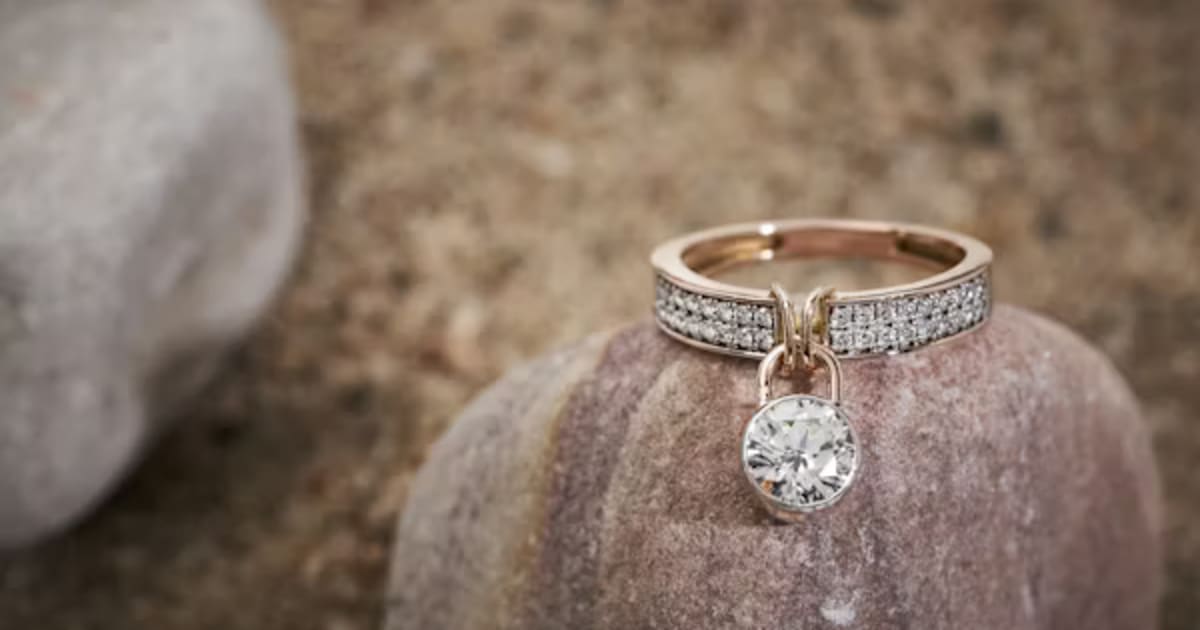
The global jewelry industry continues to see growing interest in minimalist and adaptable accessories as consumers increasingly prioritize versatile pieces suitable for long-term wear. According to global jewelry research, many buyers are seeking jewelry that feels elegant without appearing overly elaborate or trend-dependent. Tiny solitaire pendants naturally align with these preferences because they complement a wide variety of outfits and personal styles while maintaining subtle sophistication. As jewelry trends continue evolving internationally, minimalist pendant designs remain especially relevant for layered styling and everyday elegance.
The influence of tiny solitaire pendants extends beyond decorative fashion alone. Jewelry design directly affects comfort, durability, versatility, and long-term wearability. Oversized necklaces or heavily detailed pendants may feel restrictive or difficult to pair with different clothing styles. Tiny solitaire pendants help address these concerns by offering lightweight construction, flexible styling options, and balanced visual proportions. Understanding how solitaire pendants are designed can help buyers, collectors, and jewelry enthusiasts make informed decisions about gemstone settings, chain compatibility, maintenance, and everyday functionality. This naturally leads into understanding who benefits most from tiny solitaire pendants and the practical concerns they help solve.
Who It Affects & Problems It Solves
Tiny solitaire pendants appeal to a broad global audience, including first-time jewelry buyers, minimalist fashion enthusiasts, professionals, gift shoppers, and individuals seeking versatile everyday accessories. Jewelry designers and retailers also closely follow solitaire pendant trends because these pieces remain adaptable across changing fashion movements and seasonal styling preferences. Their simple structure allows them to pair easily with layered necklaces, bracelets, and both casual and formal attire.
Without understanding pendant construction and jewelry proportions, many buyers struggle to select accessories that balance elegance, comfort, and long-term wearability. Tiny solitaire pendants solve several common concerns by offering lightweight jewelry designs that remain visually refined without overwhelming an outfit. Their compact structure also reduces the likelihood of discomfort during extended wear while maintaining decorative versatility across different settings and occasions.
A common issue observed internationally involves purchasing highly decorative necklaces that lose practicality during everyday use or become difficult to combine with other jewelry pieces. Large pendants may dominate outfits or limit layering flexibility. Tiny solitaire pendants help address these concerns through their understated design and adaptable appearance. Their timeless structure also supports changing fashion preferences without becoming visually outdated over time. As jewelry trends continue evolving globally, recent developments in solitaire pendant design have become increasingly important to understand.
Recent Updates
Over the past year, global jewelry trends have increasingly emphasized minimalist elegance and layered necklace styling. Many tiny solitaire pendant collections now feature delicate chain structures, mixed-metal combinations, and adjustable lengths designed to create more personalized and flexible jewelry arrangements. These developments reflect growing consumer interest in jewelry that feels subtle, lightweight, and suitable for daily wear.
In early 2025, industry discussions increasingly highlighted personalized gemstone choices and contemporary interpretations of classic solitaire designs. Buyers internationally have shown greater interest in pendants featuring alternative gemstone cuts, bezel settings, and asymmetrical chain arrangements. This trend has encouraged jewelry designers to modernize traditional solitaire concepts while preserving the clean and refined aesthetic associated with tiny pendants.
Another important development involves increased awareness of sustainability and responsible jewelry production. Consumers globally are paying closer attention to gemstone sourcing, recycled precious metals, and long-lasting craftsmanship. Tiny solitaire pendants often align well with these priorities because their minimalist design encourages long-term versatility and practical wear rather than temporary trend-focused usage.
Technology has also influenced jewelry shopping and customization during the past year. Advanced digital visualization tools and virtual styling applications now allow buyers to preview gemstone sizes, chain lengths, and layering combinations more accurately before purchase. These technologies help individuals better understand how different solitaire pendant styles complement necklines and personal fashion preferences. These evolving trends provide useful context before comparing the major characteristics of tiny solitaire pendants with other necklace styles.
Comparison Table
The following table compares tiny solitaire pendants with statement pendants and layered charm necklaces. These parameters matter universally because they influence versatility, maintenance, styling flexibility, and long-term wearability.
| Parameter | Tiny Solitaire Pendants | Statement Pendants | Layered Charm Necklaces |
|---|---|---|---|
| Main Design Focus | Minimalist single-stone elegance | Bold decorative styling | Personalized layered symbolism |
| Overall Appearance | Subtle and refined | Visually dominant | Creative and expressive |
| Everyday Wear Comfort | Lightweight and comfortable | Moderate weight | Depends on layering complexity |
| Style Versatility | Extremely versatile | Occasion-focused styling | Casual to fashionable styling |
| Layering Compatibility | Excellent for stacking | Limited layering flexibility | Designed for layering |
| Maintenance Complexity | Lower maintenance | Moderate cleaning | Moderate to high |
| Jewelry Weight | Very lightweight | Heavier structures | Variable weight |
| Personalization Options | Gemstone and chain customization | Decorative design variations | Extensive symbolic additions |
| Long-Term Style Appeal | Strong timeless relevance | Trend-sensitive appearance | Fashion-driven adaptability |
| Best Suited For | Everyday minimalist elegance | Statement fashion looks | Personalized layered styling |
The table shows that tiny solitaire pendants are especially valued for simplicity, versatility, and lightweight comfort. While statement pendants emphasize dramatic visual impact and layered charm necklaces focus on symbolic customization, solitaire pendants provide a balanced combination of elegance and practical wearability. Understanding these distinctions also highlights why gemstone setting quality and intended usage are important considerations when selecting pendant jewelry.
Regulations & Practical Guidance
In most countries, jewelry products are generally subject to consumer protection standards related to gemstone disclosure, material composition, and product labeling. International jewelry practices commonly encourage transparency regarding precious metal purity, gemstone treatments, and craftsmanship quality. Buyers globally are increasingly interested in understanding jewelry durability and authenticity before making long-term purchases.
Most jurisdictions also maintain general expectations regarding hallmarks, clasp reliability, and accurate product representation. Jewelers often provide information about chain materials, gemstone settings, and care recommendations to support informed purchasing decisions. Because tiny solitaire pendants frequently use delicate chains and compact gemstone settings, secure craftsmanship and durable clasps are especially important for maintaining long-term wearability.
Another practical consideration involves lifestyle compatibility and maintenance expectations. Different chain thicknesses, setting styles, and gemstone choices may influence comfort, durability, and visual balance during everyday wear. Jewelry professionals internationally often recommend balancing decorative preference with practical usability and long-term versatility. These broader considerations naturally lead into practical guidance regarding which tiny solitaire pendant styles may suit different situations.
Which Option Suits Your Situation?
For individuals seeking versatile everyday jewelry, a classic tiny solitaire pendant with a simple prong or bezel setting may provide the most balanced option. Its understated appearance pairs easily with both professional attire and casual fashion while maintaining refined elegance.
Someone interested in layered jewelry styling may benefit from delicate solitaire pendants with adjustable chain lengths and subtle gemstone sizes. These arrangements create balanced layered looks while preserving lightweight comfort and visual simplicity.
Buyers focused on minimalist fashion may prefer pendants featuring clean geometric settings, neutral metal finishes, and understated gemstone accents. These designs support contemporary styling preferences while remaining adaptable to changing trends over time.
First-time jewelry buyers may find tiny solitaire pendants especially appealing because they combine practical wearability with timeless sophistication. Understanding how gemstone size, chain length, and setting type influence appearance can help buyers select pendants that feel both comfortable and visually balanced. With these considerations in mind, it is also useful to explore educational tools and helpful resources related to pendant jewelry selection.
Tools & Resources
Several globally accessible tools and educational resources can help individuals better understand tiny solitaire pendants and jewelry design principles.
Gemstone Education Guides — Informational resources explaining gemstone cuts, clarity characteristics, and common jewelry setting terminology.
Necklace Length Measurement Tools — Practical resources designed to help individuals compare chain lengths and layering preferences before purchase.
Jewelry Visualization Software — Digital tools that allow users to preview pendant sizes, chain styles, and layered jewelry combinations.
Precious Metal Care Guides — Educational materials explaining cleaning routines, storage methods, and maintenance practices for delicate jewelry.
Jewelry Comparison Charts — Reference materials comparing pendant styles, setting structures, and chain types to support informed decisions.
Minimalist Jewelry Styling Resources — Informational content exploring how solitaire pendants pair with bracelets, earrings, and layered necklaces.
Jewelry Maintenance Checklists — Practical guides focused on clasp inspection, chain care, and safe handling practices for everyday jewelry items.
These resources help connect jewelry knowledge with practical buying decisions, which naturally leads into common questions people frequently ask about tiny solitaire pendants.
Frequently Asked Questions
What makes tiny solitaire pendants different from other necklaces?
Tiny solitaire pendants focus on a single gemstone or decorative centerpiece presented in a minimalist design. Other necklaces may include multiple charms, layered elements, or larger decorative structures. Solitaire pendants are especially valued for their simplicity, lightweight comfort, and ability to complement a wide range of fashion styles and occasions.
Who should choose tiny solitaire pendants?
Tiny solitaire pendants are often suitable for individuals seeking subtle and versatile jewelry that supports everyday wear and minimalist styling. They work well for professionals, first-time jewelry buyers, and people interested in layered necklace combinations. Their adaptable structure also allows them to remain fashionable across changing trends and personal preferences.
Are tiny solitaire pendants subject to jewelry quality standards?
In most countries, jewelry products generally follow standards related to material disclosure, gemstone representation, and manufacturing quality. Jewelers commonly provide information regarding metal composition, gemstone characteristics, and chain construction. Buyers are encouraged to understand these details to ensure durability, authenticity, and long-term satisfaction with jewelry purchases.
Do tiny solitaire pendants require delicate handling?
A common misconception is that all minimalist jewelry is fragile and difficult to wear regularly. In reality, proper craftsmanship and secure settings generally provide reliable durability for everyday use. Gentle cleaning, careful storage, and avoiding unnecessary strain on fine chains can help maintain appearance and functionality over time.
What gemstone settings are commonly used in tiny solitaire pendants?
Tiny solitaire pendants commonly use prong, bezel, basket, or tension-inspired settings depending on style preferences and desired appearance. Prong settings emphasize gemstone visibility, while bezel settings offer a smoother and more protective structure. The ideal choice depends on comfort preferences, maintenance expectations, and overall fashion style.
Conclusion
Tiny solitaire pendants continue to remain highly respected in the global jewelry industry because they combine timeless elegance, versatile styling, and lightweight everyday comfort. As discussed throughout this article, these jewelry pieces help solve common concerns related to adaptable fashion wear, minimalist design preferences, and long-term versatility. Their simple structure allows them to remain visually appealing across changing trends and personal style choices.
For individuals selecting pendant jewelry, the most important considerations include gemstone setting quality, chain durability, comfort, and intended usage. Tiny solitaire pendants are especially valuable for those seeking refined and practical everyday accessories, while larger or more decorative necklace styles may better suit statement-focused fashion preferences.
Looking ahead, global jewelry trends suggest that tiny solitaire pendants will continue evolving through personalized gemstone combinations, sustainable craftsmanship practices, and modern minimalist refinements that preserve their understated sophistication and enduring appeal.