Fashion
Footwear Guide for Women: Types, Occasions and Care Tips
Learn women’s footwear types, occasion-based choices, and care tips with practical insights for comfort, durability, and style.
Introduction
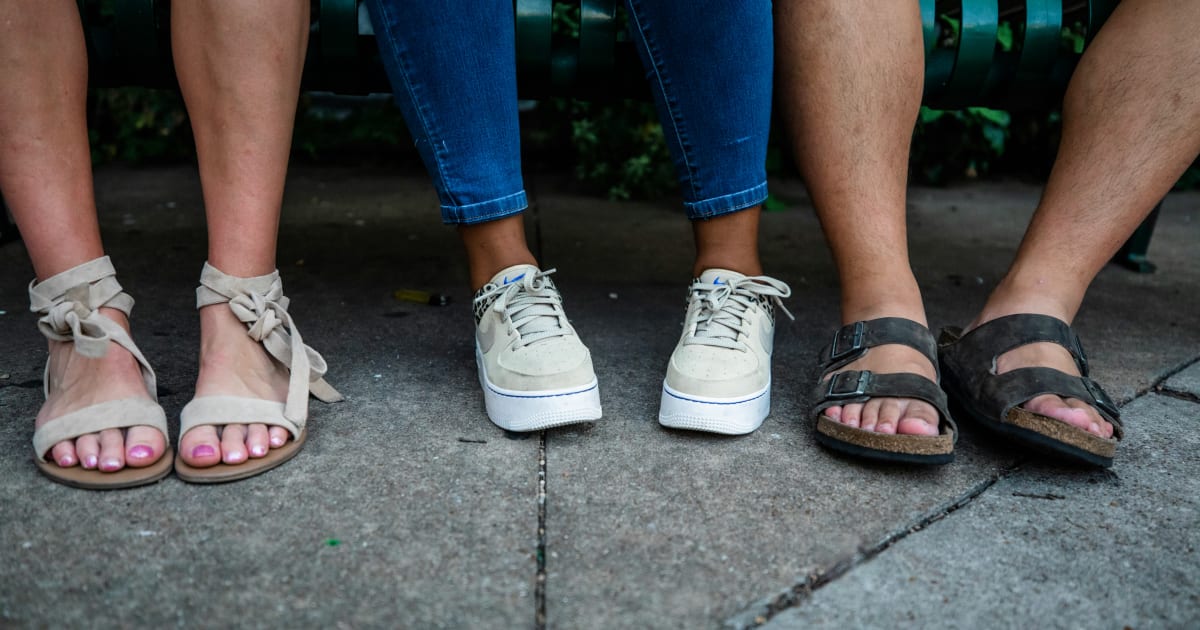
Footwear is a fundamental part of women’s fashion, combining functionality, comfort, and style. Different types of footwear—such as flats, heels, sneakers, sandals, and boots—serve distinct purposes based on occasion, weather, and personal preference. Beyond aesthetics, proper footwear selection supports posture, mobility, and long-term foot health.
In recent years, footwear trends have shifted toward comfort-driven design, sustainable materials, and versatile styling. With the rise of hybrid lifestyles and increased daily mobility, women are prioritizing shoes that can transition between work, casual, and social settings. Additionally, awareness of foot health and ergonomics has influenced buying decisions.
The relevance of this guide lies in helping individuals choose the right footwear for different occasions while ensuring durability and comfort. Understanding types, usage, and care methods allows for better long-term value and improved daily experience.
Who It Affects and What Problems It Solves
This guide is relevant to women of all age groups, including students, professionals, and individuals managing diverse daily activities. It is particularly useful for those building a functional and versatile footwear collection.
For users, it simplifies selection and improves comfort. For buyers, it helps avoid unsuitable purchases.
Problems It Solves
Confusion about choosing footwear for different occasions
Discomfort caused by improper shoe selection
Limited versatility in footwear collection
Premature wear and damage due to poor care
Difficulty balancing style and functionality
Lack of knowledge about maintenance
Core Components of Footwear Selection
Understanding the essential elements helps in making informed choices.
Key Elements Explained
Component | Description | Importance |
|---|---|---|
Shoe Type | Flats, heels, sneakers, boots, etc. | Determines use |
Fit | Proper sizing and shape | Comfort and support |
Material | Leather, fabric, synthetic | Durability |
Sole | Cushioning and grip | Safety |
Design | Style and appearance | Aesthetic value |
These components influence both usability and longevity.
Common Types of Women’s Footwear
Footwear Categories
Type | Description | Best Use |
|---|---|---|
Flats | Low or no heel | Daily wear |
Heels | Elevated heel design | Formal occasions |
Sneakers | Sporty and cushioned | Casual and active use |
Sandals | Open design | Warm weather |
Boots | Closed and protective | Cold or outdoor use |
Each type serves specific functional and stylistic needs.
Occasion-Based Footwear Selection
Matching Shoes with Occasions
Occasion | Recommended Footwear Types | Key Consideration |
|---|---|---|
Work | Flats, low heels | Comfort and professionalism |
Casual Outings | Sneakers, sandals | Ease and flexibility |
Formal Events | Heels, elegant flats | Style and coordination |
Travel | Comfortable sneakers or flats | Support and durability |
Choosing footwear based on occasion ensures practicality and comfort.
Recent Updates and Trends
Over the past year, women’s footwear has evolved with new preferences.
Key Trends
Increased focus on comfort and ergonomic design
Growth of sustainable and eco-friendly materials
Popularity of versatile and multi-use footwear
Rise of minimal and neutral designs
Trends Comparison
Trend | Earlier Approach | Current Approach | Impact |
|---|---|---|---|
Design | Style-focused | Comfort-focused | Usability |
Materials | Conventional | Sustainable | Eco-conscious |
Usage | Occasion-specific | Multi-purpose | Versatility |
Aesthetics | Bold and varied | Minimal and neutral | Adaptability |
These trends reflect a shift toward practicality and sustainability.
Evidence-Based Care Tips for Footwear
Daily Maintenance Habits
Clean shoes regularly to remove dirt
Store footwear in a dry and ventilated area
Rotate shoes to avoid excessive wear
Pre-Use and Storage Tips
Use shoe trees or inserts to maintain shape
Protect shoes from moisture and extreme conditions
Check soles and heels for damage
Material-Specific Care
Use appropriate cleaners for leather, fabric, or synthetic materials
Avoid harsh chemicals that may damage surfaces
Allow shoes to dry naturally
Practical Tips and Outcomes
Practice | Expected Outcome |
|---|---|
Regular cleaning | Improved appearance |
Proper storage | Extended lifespan |
Rotation of footwear | Reduced wear |
Material-specific care | Maintained quality |
Damage inspection | Early problem detection |
Footwear studies indicate that proper care significantly increases durability and comfort.
Laws and Policies
Footwear products are influenced by regulatory standards.
Key Policy Areas
Material labeling and safety standards
Consumer protection laws for quality and returns
Environmental regulations for manufacturing
Workplace dress code guidelines
Practical Guidance
Situation | Recommended Approach |
|---|---|
Purchasing footwear | Check size and material labels |
Workplace requirements | Follow dress code policies |
Returns and exchanges | Review store policies |
Sustainability concerns | Choose eco-friendly options |
These considerations support informed and responsible choices.
Tools and Resources
Various tools can assist in selecting and maintaining footwear.
Useful Resources
Foot measurement tools
Shoe care kits
Style recommendation platforms
Wardrobe planning apps
Budget tracking tools
Tools Comparison
Tool Type | Function | Benefit |
|---|---|---|
Measurement Tools | Determine correct size | Better fit |
Care Kits | Maintain footwear | Longevity |
Style Platforms | Suggest combinations | Inspiration |
Wardrobe Apps | Organize items | Efficiency |
Budget Tools | Track spending | Financial control |
These tools help users maintain a functional and stylish footwear collection.
FAQ
What type of footwear is best for daily use?
Flats and sneakers are commonly preferred for comfort and versatility.
How do I choose the right shoe size?
Measure your feet and refer to size charts before purchasing.
Can one pair of shoes work for multiple occasions?
Yes, neutral and versatile designs can be used across different settings.
How often should I clean my shoes?
Regular cleaning is recommended based on usage and material.
What is the most important factor in footwear?
Comfort and proper fit are the most important factors.
Conclusion
Women’s footwear combines style, comfort, and functionality, making it an essential part of everyday fashion. Selecting the right types based on occasion and maintaining them properly ensures long-term usability and comfort.
Data from fashion and health studies indicates that proper fit, material selection, and regular care significantly improve footwear performance and lifespan. Recent trends toward comfort and sustainability further enhance practical value.
For most individuals, the best approach is to build a versatile collection, prioritize comfort, and follow consistent care routines. By combining thoughtful selection with proper maintenance, footwear can remain both functional and stylish without unnecessary complexity.