Travel
Historical City Walks Guide: Learn Historical Significance, Routes, and Exploration Insights
Learn historical city walks with this guide covering historical significance, walking routes, travel insights, and exploration tips.
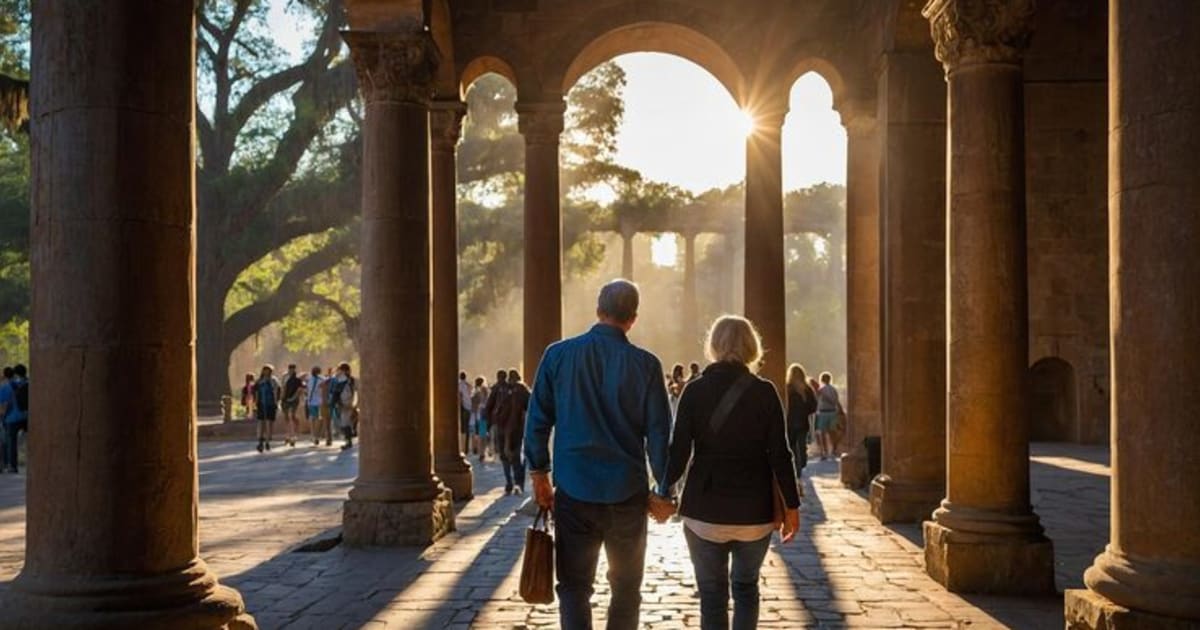
The global travel industry has seen growing interest in cultural and heritage-based tourism as travelers increasingly seek meaningful and educational experiences. According to global tourism research, many travelers now prioritize immersive activities that provide deeper connections to local history, architecture, and traditions. Historical city walks fit naturally into this trend because they combine physical exploration with storytelling, learning, and cultural appreciation. As cities worldwide continue preserving and promoting historical districts, walking tours have become an important part of urban tourism and educational travel experiences.
The influence of historical city walks extends beyond tourism alone. These experiences help people better understand urban development, cultural identity, and the historical events that shaped modern societies. Well-designed city walks can encourage appreciation for preservation efforts, public architecture, and community heritage while supporting local cultural economies. Understanding historical city walks helps travelers, educators, and cultural enthusiasts make informed decisions about route planning, accessibility, pacing, and historical interpretation. This naturally leads into understanding who benefits most from historical city walks and the practical challenges they help address.
Who It Affects & Problems It Solves
Historical city walks appeal to a broad global audience, including tourists, students, educators, photographers, architecture enthusiasts, historians, and travelers seeking immersive cultural experiences. Local governments, museums, heritage organizations, and tourism professionals also closely support historical walking initiatives because these activities help promote cultural preservation and community engagement. Their flexible structure allows them to suit both casual exploration and more academically focused travel experiences.
Without organized walking routes or historical context, many travelers struggle to fully understand the significance of historical districts and urban landmarks. Historical city walks solve these challenges by connecting locations through storytelling, timelines, and thematic exploration. Instead of viewing monuments or buildings separately, participants gain a clearer understanding of how different sites relate to one another historically, culturally, and architecturally. This creates a more meaningful and educational travel experience.
A common issue observed internationally involves travelers rushing through major destinations without engaging deeply with local history or cultural context. Fast-paced tourism may limit opportunities for observation and reflection. Historical city walks help address these concerns by encouraging slower exploration and structured learning. Walking routes also allow visitors to notice architectural details, local traditions, and neighborhood character that may otherwise be overlooked during conventional transportation-based sightseeing. As cultural tourism trends continue evolving globally, recent developments in historical walking experiences have become increasingly important to understand.
Recent Updates
Over the past year, global tourism trends have increasingly emphasized immersive and experience-based travel activities. Historical city walks have benefited from this shift because many travelers are seeking smaller-scale, educational experiences that encourage deeper engagement with destinations. Walking tours focused on architecture, cultural heritage, and local storytelling have become increasingly popular among both international visitors and domestic travelers.
In early 2025, travel discussions increasingly highlighted the role of digital technology in enhancing historical exploration. Many walking experiences now include mobile audio guides, interactive maps, and augmented reality features that provide historical information during self-guided tours. These technologies allow travelers to access historical context, old city imagery, and route suggestions more conveniently while maintaining flexible exploration schedules.
Another important development involves increased attention to accessibility and inclusive tourism. Cities and tourism organizations globally are becoming more aware of the need for walking routes that support different mobility levels and visitor needs. Many historical walking programs now include shorter route options, seating areas, and improved navigation guidance designed to make cultural exploration more accessible to broader audiences.
Sustainability has also become a visible focus in urban tourism discussions during the past year. Historical city walks naturally support environmentally conscious travel by encouraging low-impact exploration methods that reduce transportation-related congestion and emissions. This growing emphasis on sustainable tourism has strengthened interest in pedestrian-friendly historical districts and heritage preservation initiatives. These evolving trends provide valuable context before comparing the major types of historical city walking experiences.
Comparison Table
The following table compares guided historical city walks, self-guided walking tours, and bus-based sightseeing experiences. These parameters matter universally because they influence flexibility, educational value, accessibility, and overall travel experience quality.
| Parameter | Guided Historical Walks | Self-Guided Walking Tours | Bus-Based Sightseeing |
|---|---|---|---|
| Historical Interpretation | Expert storytelling | Independent learning | General overview |
| Exploration Pace | Group-controlled | Fully flexible | Fixed schedule |
| Cultural Interaction | Higher engagement | Moderate interaction | Limited immersion |
| Accessibility Flexibility | Depends on route | Highly adjustable | Easier physical access |
| Educational Depth | Strong historical detail | Depends on preparation | Moderate information |
| Physical Activity Level | Moderate walking | Adjustable activity | Minimal walking |
| Route Customization | Limited flexibility | Highly customizable | Fixed route |
| Photography Opportunities | Frequent stops | Flexible timing | Limited stop duration |
| Best Suited For | Structured learning | Independent travelers | Quick city overviews |
| Environmental Impact | Lower transportation use | Very low impact | Higher transportation use |
The table shows that guided historical city walks are particularly valuable for educational depth and cultural storytelling, while self-guided tours offer greater flexibility and personalized pacing. Bus-based sightseeing provides broader city coverage but often with less immersive engagement. Understanding these differences also highlights why route planning and realistic pacing are important when organizing historical walking experiences.
Regulations & Practical Guidance
In most countries, historical sites and heritage districts are generally protected through preservation guidelines and tourism management practices designed to maintain cultural significance and public safety. Local authorities and heritage organizations often encourage respectful behavior, responsible photography, and adherence to site-specific rules during walking tours. Travelers globally are increasingly expected to support preservation efforts by avoiding damage to historical structures and respecting community spaces.
Most jurisdictions also maintain general expectations regarding pedestrian safety, access restrictions, and public behavior in historical areas. Some walking routes may involve uneven surfaces, older stairways, or crowded pedestrian zones that require careful navigation. Travelers are commonly advised to wear comfortable footwear, stay hydrated, and plan routes according to weather conditions and physical comfort levels.
Another practical consideration involves balancing exploration with rest and flexibility. Travel professionals internationally often recommend avoiding overly ambitious walking schedules, especially in large historical districts. Allowing time for observation, breaks, and spontaneous discovery can improve the overall experience while reducing fatigue. These broader considerations naturally lead into practical guidance regarding which types of historical city walks may suit different situations.
Which Option Suits Your Situation?
For first-time visitors interested in structured learning, guided historical city walks may provide the most informative experience. Professional guides often explain architectural details, historical timelines, and local traditions in ways that create stronger connections between different landmarks and cultural sites.
Independent travelers who prefer flexible schedules may benefit more from self-guided historical walks. Digital maps and audio resources allow individuals to explore at their own pace while spending more time at locations that match personal interests and photography preferences.
Families or multigenerational groups may prefer shorter walking routes with accessible rest areas and balanced pacing. Choosing routes with nearby cafés, museums, or public seating can help improve comfort for travelers with different energy levels and mobility needs.
Travelers interested in architecture and urban design may benefit from thematic city walks focused specifically on building styles, public planning, or historical neighborhoods. These specialized routes often provide deeper insight into how cities developed over time. With these practical considerations in mind, it is also useful to explore educational tools and helpful resources related to historical city exploration.
Tools & Resources
Several globally accessible tools and educational resources can help individuals better understand historical city walks and cultural exploration principles.
Digital Walking Route Applications — Interactive tools that help travelers organize routes, estimate walking times, and locate historical landmarks.
Historical Map Archives — Educational resources featuring older city layouts and urban development comparisons useful for understanding historical growth patterns.
Audio Tour Platforms — Informational tools that provide narrated historical content during self-guided walking experiences.
Architecture Learning Resources — Educational materials explaining architectural styles, preservation concepts, and urban design history.
Travel Photography Guides — Practical resources focused on documenting historical landmarks and improving visual storytelling during city walks.
Cultural Heritage Learning Platforms — Informational content exploring the historical significance of monuments, public spaces, and urban traditions.
Pedestrian Navigation Tools — Digital applications designed to support safe walking routes, accessibility planning, and local orientation during exploration.
These resources help connect historical knowledge with practical travel planning, which naturally leads into common questions people frequently ask about historical city walks.
Frequently Asked Questions
What is the purpose of a historical city walk?
A historical city walk is designed to help people explore the cultural, architectural, and historical significance of urban environments through guided or self-directed walking routes. These experiences encourage deeper understanding of local heritage, historical events, and city development while allowing travelers to engage more closely with landmarks and public spaces.
Who should participate in historical city walks?
Historical city walks are suitable for travelers, students, educators, photographers, architecture enthusiasts, and anyone interested in cultural exploration. They work well for individuals seeking immersive and educational travel experiences rather than fast-paced sightseeing. Different walking formats also allow participants to choose routes based on physical comfort and historical interests.
Are historical city walks subject to preservation guidelines?
In most countries, historical districts and cultural landmarks are generally protected through preservation practices and visitor guidelines. Travelers are commonly encouraged to respect restricted areas, avoid damaging historical structures, and follow photography or access rules where applicable. Responsible tourism behavior helps support long-term preservation of cultural heritage sites.
Do historical city walks require extensive historical knowledge?
A common misconception is that historical city walks are only suitable for experts or academic travelers. In reality, many walking experiences are designed for beginners and casual tourists. Guided tours, audio resources, and informational maps often explain historical context in accessible ways that support learning without requiring prior specialized knowledge.
How long should a historical city walk typically last?
The ideal duration depends on route complexity, walking pace, weather conditions, and individual interest levels. Some shorter routes may last less than an hour, while larger historical districts may require several hours or multiple visits for deeper exploration. Many travelers prefer moderate walking schedules that balance sightseeing with breaks and flexibility.
Conclusion
Historical city walks continue to grow in popularity globally because they combine cultural education, physical exploration, and meaningful travel experiences. As explored throughout this article, these walking experiences help solve common tourism challenges related to rushed sightseeing, limited cultural understanding, and disconnected travel experiences. Their flexible structure allows travelers to engage more deeply with architecture, heritage, and urban history.
For individuals planning historical city exploration, the most important considerations include pacing, accessibility, route planning, and personal interests. Guided walks are especially valuable for structured learning, while self-guided experiences offer greater independence and flexibility for personalized exploration.
Looking ahead, global tourism trends suggest that historical city walks will continue evolving through digital storytelling technologies, accessible route design, and growing emphasis on sustainable and culturally immersive travel experiences.