Travel
Sri Lankan Tea Plantation Trails Overview: Essential Information, Landscapes, and Cultural Insights
Explore Sri Lankan tea plantation trails with this guide covering landscapes, tea culture, walking routes, and travel insights.
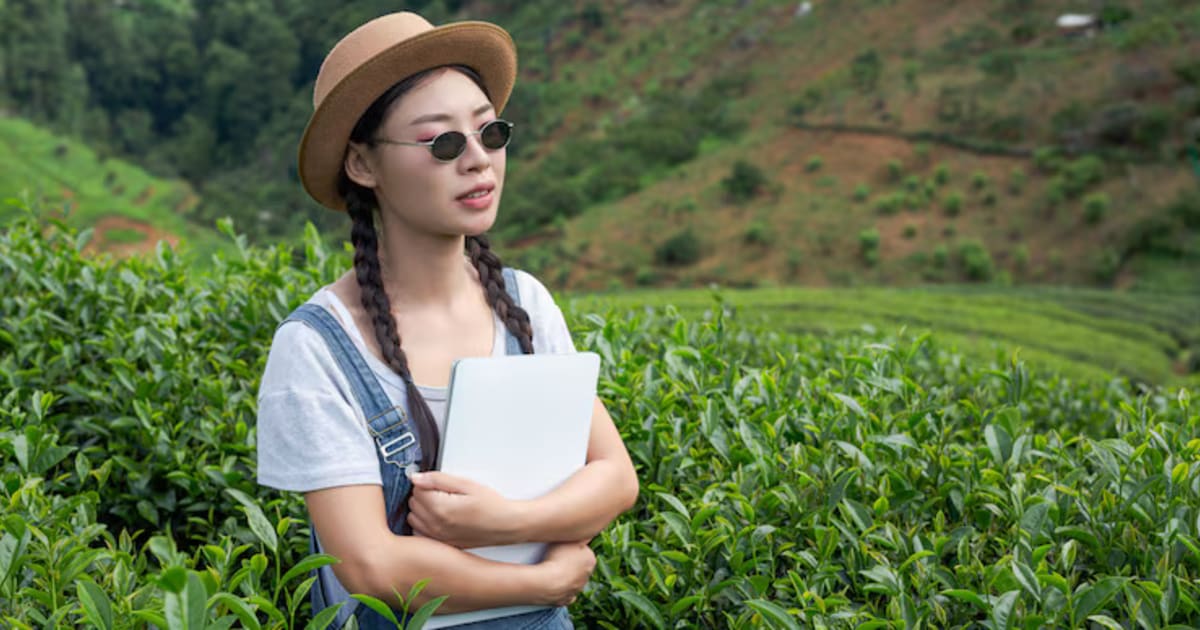
The global tourism industry has seen growing interest in experience-based travel and agricultural tourism as travelers increasingly seek authentic and educational journeys connected to local traditions and natural environments. According to global tourism research, many travelers now value immersive experiences that combine scenic exploration with cultural understanding. Sri Lankan tea plantation trails naturally align with these preferences because they offer opportunities to learn about tea cultivation, mountain ecosystems, and historical plantation lifestyles while enjoying visually striking landscapes. As international travel trends continue evolving toward meaningful exploration, tea plantation routes remain highly valued within cultural and eco-tourism experiences.
The influence of tea plantation trails extends beyond tourism alone. These routes help preserve agricultural heritage, support local communities, and encourage appreciation for traditional tea production practices. Scenic plantation regions also provide opportunities for photography, hiking, educational travel, and wellness-focused tourism experiences. Understanding Sri Lankan tea plantation trails helps travelers, cultural enthusiasts, and first-time visitors make informed decisions about route planning, seasonal travel, accessibility, and cultural etiquette. This naturally leads into understanding who benefits most from tea plantation trail experiences and the practical challenges they help address.
Who It Affects & Problems It Solves
Sri Lankan tea plantation trails appeal to a broad global audience, including nature travelers, photographers, cultural tourists, hikers, tea enthusiasts, and individuals seeking slower-paced travel experiences connected to local traditions. Tourism professionals, environmental organizations, and cultural preservation groups also closely support tea trail tourism because these routes encourage sustainable travel and appreciation for regional heritage. Their flexible structure allows them to suit both casual sightseeing and more in-depth educational exploration.
Without organized routes or cultural context, many travelers struggle to fully appreciate the historical and agricultural significance of tea-growing landscapes. Tea plantation trails solve these concerns by connecting scenic viewpoints, working estates, tea-processing facilities, and local communities into a more cohesive travel experience. Instead of viewing plantations only as scenic backgrounds, visitors gain a clearer understanding of tea cultivation methods, labor traditions, and the environmental importance of mountain agriculture.
A common issue observed internationally involves travelers rushing through scenic destinations without engaging deeply with local history or cultural practices. Fast-paced travel schedules may limit opportunities for meaningful interaction and observation. Tea plantation trails help address these concerns by encouraging slower exploration, walking experiences, and educational engagement. Their structure also supports environmentally conscious tourism by emphasizing natural landscapes and local cultural appreciation rather than highly commercialized attractions. As travel preferences continue evolving globally, recent developments in plantation tourism have become increasingly important to understand.
Recent Updates
Over the past year, global tourism trends have increasingly emphasized eco-tourism, cultural immersion, and slower travel experiences. Sri Lankan tea plantation trails have benefited from this shift because many travelers are seeking destinations that combine natural scenery with educational and heritage-focused activities. Plantation walks, tea-tasting experiences, and scenic railway journeys through tea regions have gained stronger international interest.
In early 2025, travel discussions increasingly highlighted sustainable tourism practices within tea-growing regions. Local tourism operators and hospitality providers have shown greater interest in promoting environmentally conscious travel methods, smaller group experiences, and community-based tourism initiatives connected to plantation areas. This trend reflects growing awareness of balancing visitor experiences with environmental preservation and cultural respect.
Another important development involves increased attention to wellness-oriented travel experiences. Travelers internationally are showing greater interest in mountain retreats, scenic walking trails, and quiet rural destinations that support relaxation and connection with nature. Tea plantation landscapes naturally align with these preferences because of their cooler climates, panoramic scenery, and slower-paced environments.
Technology has also influenced tourism planning during the past year. Digital route guides, virtual trail previews, and interactive travel mapping tools are increasingly helping visitors organize tea plantation journeys more efficiently before arrival. These technologies help travelers better understand walking distances, scenic viewpoints, and nearby cultural attractions while improving travel preparation. These evolving trends provide valuable context before comparing the major types of tea plantation travel experiences.
Comparison Table
The following table compares guided tea plantation tours, independent plantation walks, and scenic rail-based plantation journeys. These parameters matter universally because they influence flexibility, educational value, accessibility, and travel experience quality.
| Parameter | Guided Plantation Tours | Independent Plantation Walks | Scenic Rail Plantation Journeys |
|---|---|---|---|
| Historical Interpretation | Expert-guided explanations | Self-directed learning | General regional overview |
| Exploration Pace | Structured schedule | Fully flexible | Fixed transportation schedule |
| Scenic Immersion | Strong local interaction | Deep landscape engagement | Panoramic travel views |
| Physical Activity Level | Moderate walking | Adjustable hiking intensity | Minimal walking |
| Cultural Engagement | High | Moderate to high | Moderate |
| Accessibility Flexibility | Depends on route design | Highly adjustable | Easier accessibility |
| Educational Depth | Strong tea industry knowledge | Independent exploration | Scenic orientation focus |
| Photography Opportunities | Frequent guided stops | Flexible timing | Window-based photography |
| Best Suited For | Structured cultural learning | Nature-focused travelers | Relaxed scenic exploration |
| Environmental Impact | Lower transportation usage | Very low impact | Shared transportation efficiency |
The table shows that guided plantation tours are especially valuable for cultural education and historical context, while independent walks offer greater flexibility and personal exploration opportunities. Scenic rail journeys provide broader landscape coverage with lower physical demands. Understanding these differences also highlights why route planning and realistic pacing are important when organizing plantation travel experiences.
Regulations & Practical Guidance
In most countries, agricultural tourism activities and heritage travel routes are generally managed through tourism guidelines and environmental preservation practices designed to protect landscapes and local communities. Plantation areas commonly encourage respectful visitor behavior, responsible photography, and awareness of working agricultural environments. Travelers globally are increasingly expected to support sustainable tourism practices and avoid disrupting local operations during visits.
Most jurisdictions also maintain general expectations regarding pedestrian safety, environmental protection, and public conduct within rural and agricultural regions. Some plantation trails may involve uneven terrain, steep slopes, or changing weather conditions that require suitable footwear and preparation. Travelers are commonly advised to carry water, follow marked paths where applicable, and remain aware of local guidance during plantation walks.
Another practical consideration involves balancing sightseeing with rest and flexibility. Travel professionals internationally often recommend allowing extra time for scenic observation, tea tastings, and weather-related changes in mountain regions. Overly rushed itineraries may reduce opportunities for cultural interaction and landscape appreciation. These broader considerations naturally lead into practical guidance regarding which tea plantation experiences may suit different situations.
Which Option Suits Your Situation?
For first-time visitors interested in tea history and cultural learning, guided plantation tours may provide the most informative experience. Professional guides often explain tea cultivation methods, estate history, and regional traditions in ways that create stronger connections between landscapes and local culture.
Independent travelers who prefer flexible schedules may benefit more from self-guided plantation walks. These experiences allow visitors to spend more time exploring scenic viewpoints, photographing landscapes, and interacting with local surroundings at their own pace.
Families or multigenerational travelers may prefer scenic rail journeys combined with shorter plantation visits. This approach can reduce physical strain while still providing access to mountain landscapes, tea estates, and panoramic travel experiences.
Travelers interested in wellness and slower-paced tourism may benefit from plantation stays focused on nature, walking trails, and quiet rural environments. These experiences often combine scenic exploration with opportunities for relaxation and cultural immersion. With these practical considerations in mind, it is also useful to explore educational tools and helpful resources related to plantation travel planning.
Tools & Resources
Several globally accessible tools and educational resources can help individuals better understand Sri Lankan tea plantation trails and cultural travel principles.
Digital Travel Route Applications — Interactive tools that help travelers organize plantation routes, walking distances, and scenic stop planning.
Tea Cultivation Learning Resources — Educational materials explaining tea-growing methods, harvesting practices, and processing traditions.
Travel Photography Guides — Practical resources focused on documenting landscapes, plantation scenery, and rural architecture effectively.
Cultural Heritage Learning Platforms — Informational content exploring plantation history, regional traditions, and agricultural communities.
Weather Planning Applications — Digital tools that help travelers prepare for changing mountain climate conditions and seasonal visibility.
Rail Journey Planning Resources — Informational materials explaining scenic railway routes and transportation connections through tea regions.
Sustainable Tourism Guides — Educational resources promoting environmentally conscious travel behavior and respectful cultural exploration.
These resources help connect cultural knowledge with practical travel organization, which naturally leads into common questions people frequently ask about Sri Lankan tea plantation trails.
Frequently Asked Questions
What are Sri Lankan tea plantation trails?
Sri Lankan tea plantation trails are scenic travel routes and walking experiences that guide visitors through tea-growing regions, mountain landscapes, and plantation communities. These trails often combine natural scenery with cultural and agricultural education, allowing travelers to learn about tea production, regional history, and local traditions while exploring visually distinctive environments.
Who should explore tea plantation trails?
Tea plantation trails are suitable for nature travelers, photographers, tea enthusiasts, hikers, and individuals seeking slower-paced cultural tourism experiences. They work well for travelers interested in landscape exploration, agricultural heritage, and scenic walking routes. Different travel formats also allow visitors to choose experiences based on comfort levels and preferred activity intensity.
Are tea plantation regions subject to tourism guidelines?
In most countries, plantation tourism areas generally follow environmental protection practices and visitor management guidelines intended to preserve landscapes and support local communities. Travelers are commonly encouraged to respect agricultural operations, remain on appropriate paths, and follow local instructions during plantation visits and walking activities.
Do tea plantation trails require extensive hiking experience?
A common misconception is that plantation exploration always involves difficult hiking. In reality, many plantation routes are designed for casual walking and scenic observation rather than advanced trekking. Guided tours, railway journeys, and shorter walking paths often make tea plantation experiences accessible to travelers with varying activity levels and travel preferences.
What is the best way to experience tea plantation landscapes?
The ideal experience depends on personal interests and travel style. Guided tours often provide stronger educational context, while independent walks allow for flexible photography and exploration. Scenic rail journeys offer panoramic views with lower physical demands. Many travelers combine multiple experiences to balance cultural learning, relaxation, and landscape appreciation.
Conclusion
Sri Lankan tea plantation trails continue to grow in popularity globally because they combine scenic landscapes, agricultural heritage, and immersive cultural exploration. As discussed throughout this article, these travel experiences help solve common tourism challenges related to rushed sightseeing, limited cultural engagement, and disconnected travel experiences. Their flexible structure allows visitors to engage more deeply with tea-growing traditions, mountain environments, and local communities.
For individuals planning plantation exploration, the most important considerations include pacing, accessibility, weather preparation, and personal travel interests. Guided tours are especially valuable for structured learning, while independent walks and scenic rail journeys provide greater flexibility and landscape immersion.
Looking ahead, global tourism trends suggest that Sri Lankan tea plantation trails will continue evolving through sustainable travel practices, digital route planning technologies, and growing interest in wellness-focused and culturally immersive travel experiences.